Work
Engineering and design have been my passion since childhood. I have bachelor's and master's degrees in Mechanical Engineering with a focus in mechatronics, and I have worked on designs spanning from deorbiting mechanisms on NASA spacecraft to instruments used to explore below the ice in Antarctica and alongside crewed deep-sea submersibles. Most of my best work has come from out-of-the-box thinking based on a first principle design philosophy. I specialize in very early stage concept development, prototyping and early field testing, but I also have experience moving products all the way into mass-production.
Descriptions for each project appear below the photo. On larger screens, hover or focus the image to read on the photo.
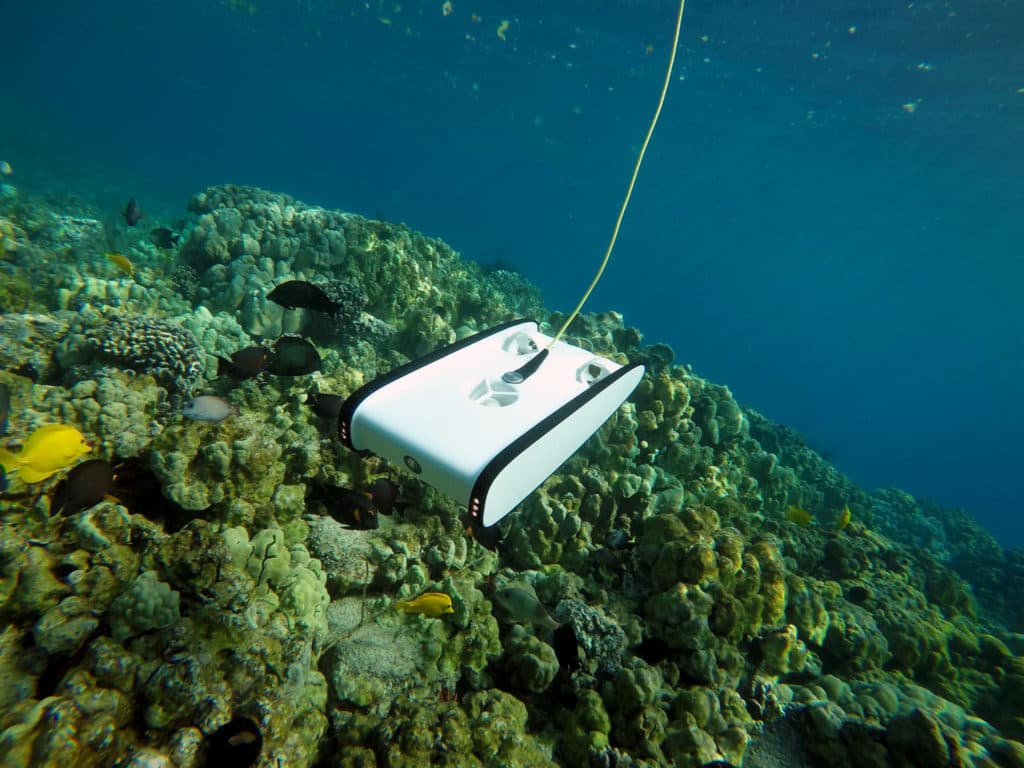
Trident
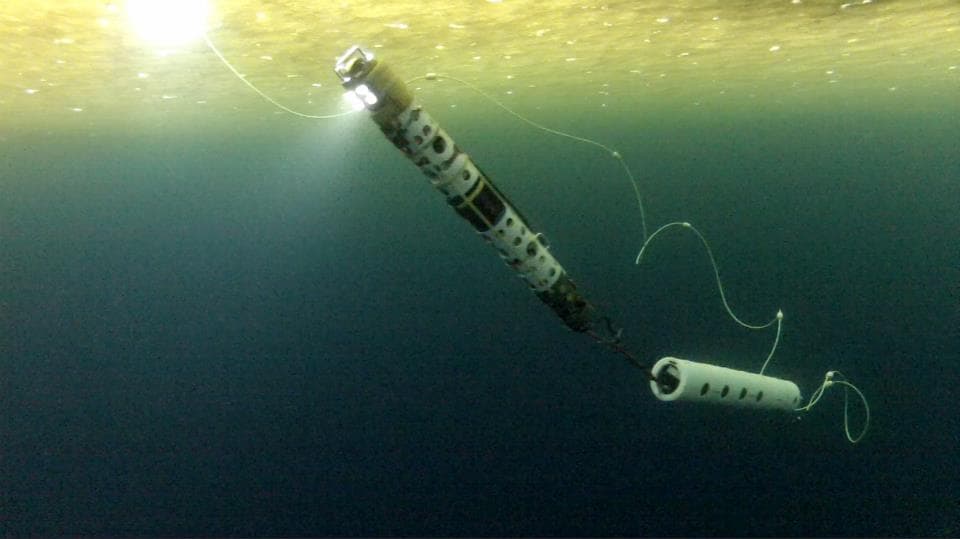
SCINI + FATTI
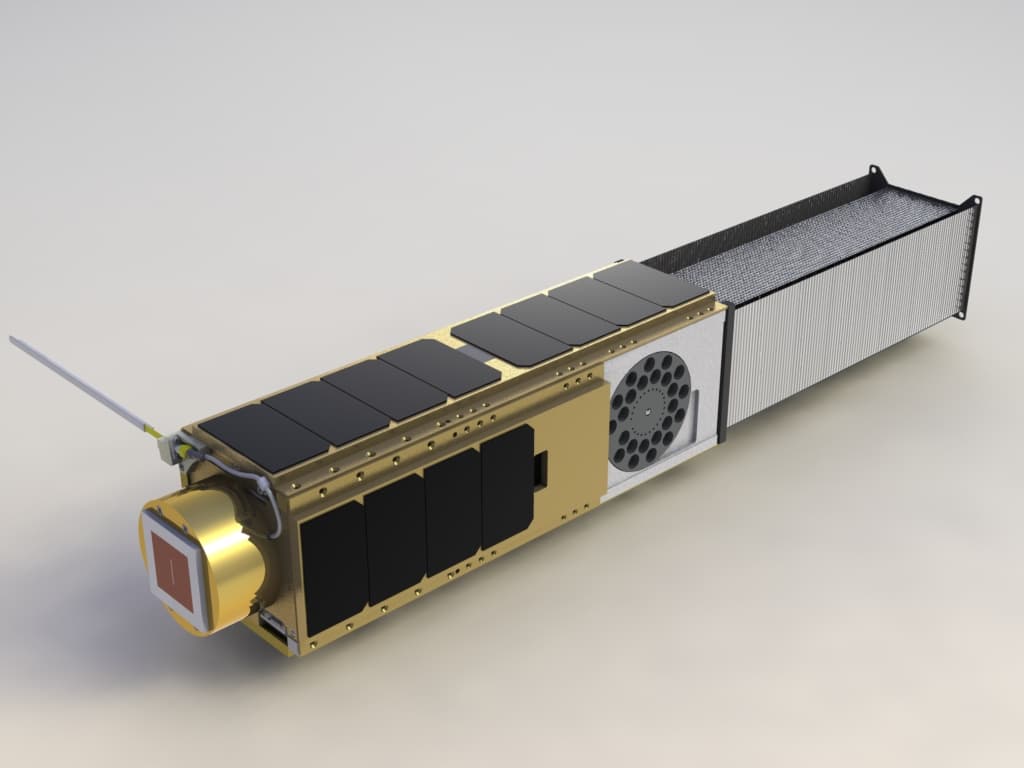
O/OREOS Spacecraft
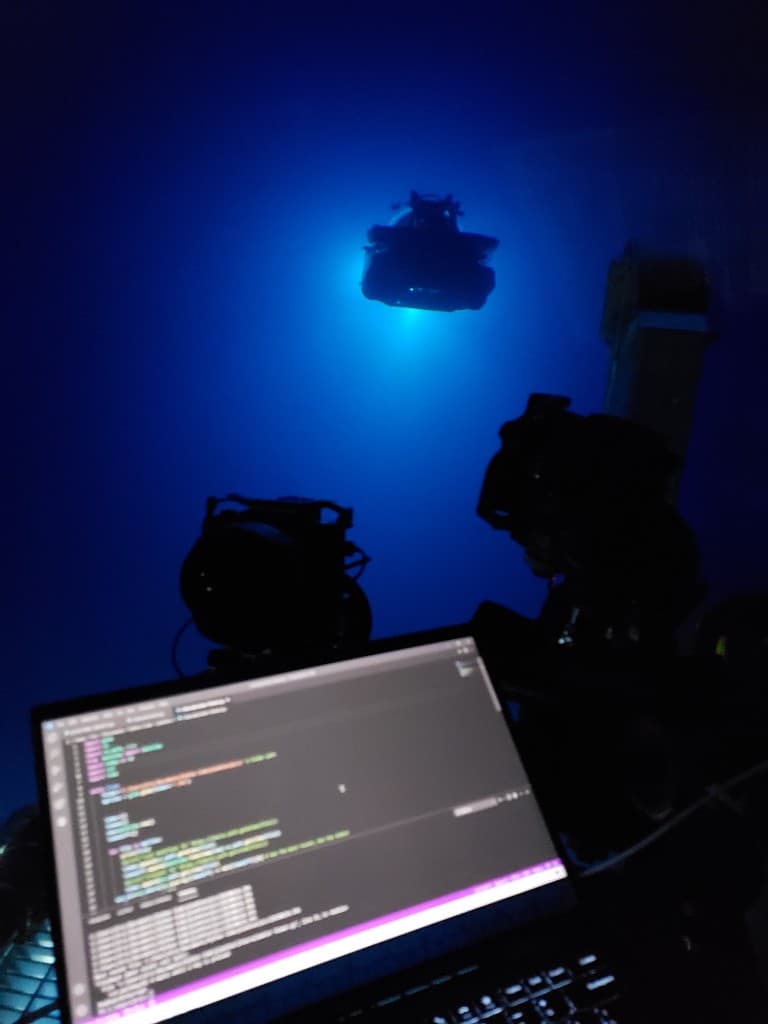
Deep Sea R&D
My work in ocean exploration often focuses on the deep sea. I've developed practical ways to design, test, and build systems that survive extreme pressure, all the way to full ocean depth (11 km). Much of this work centers on modular, low-cost approaches that make deep-sea tools more accessible.
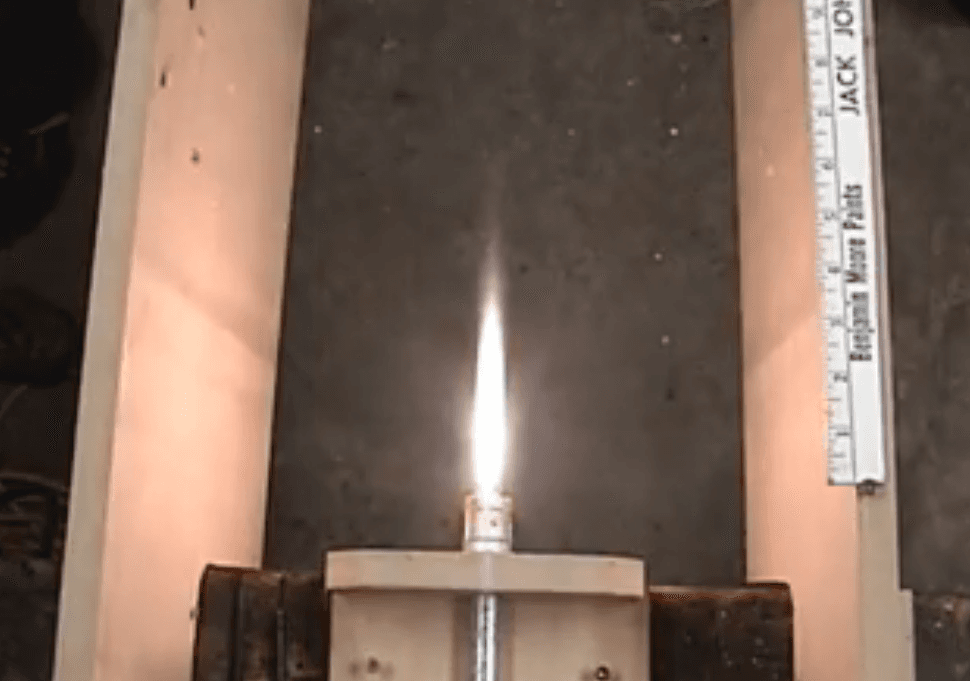
Hardware Store Hybrid Rocket Motor
I did this a long time ago, just out of high school, but it's still fun to show off.
I went through a phase of being very interested in rocket engine design, and with a group of friends, we challenged ourselves to design and test a series of hybrid rocket motors built entirely from parts we could get at our local hardware store. You can watch some of our testing progress here.
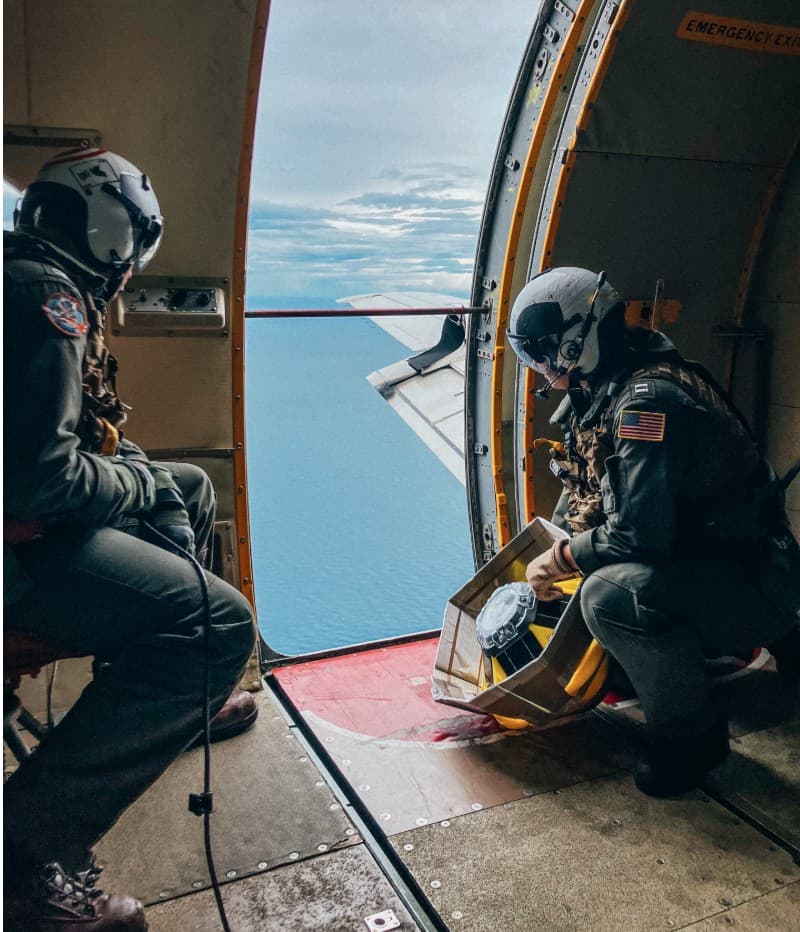
Air Droppable Weather Buoys
While at Sofar Ocean Technologies, I developed several systems for air-deploying ocean sensors, including a simple, low-cost descent system for the Sofar Spotter Buoy (shown), as well as a more sophisticated custom system that sank to the ocean floor after deployment to measure hurricane storm surge with a pressure sensor. It then released from its anchor, returned to the surface, and relayed data via satellite.
This “Submersible Spotter” system was developed from initial concept to multiple successful aircraft-dropped field deployments in less than 18 months.
Selected experience
- National Geographic OceanXplorers. On-screen and engineering
- Co-founder, Sofar Ocean. Global ocean sensing systems
- Co-founder, OpenROV. Low-cost underwater robots used worldwide
- Pilot and engineer, SCINI under-ice ROV submarine, Antarctic deployment
- NASA. Spacecraft mechanism design
- Bachelor's and master's degrees in Mechanical Engineering